
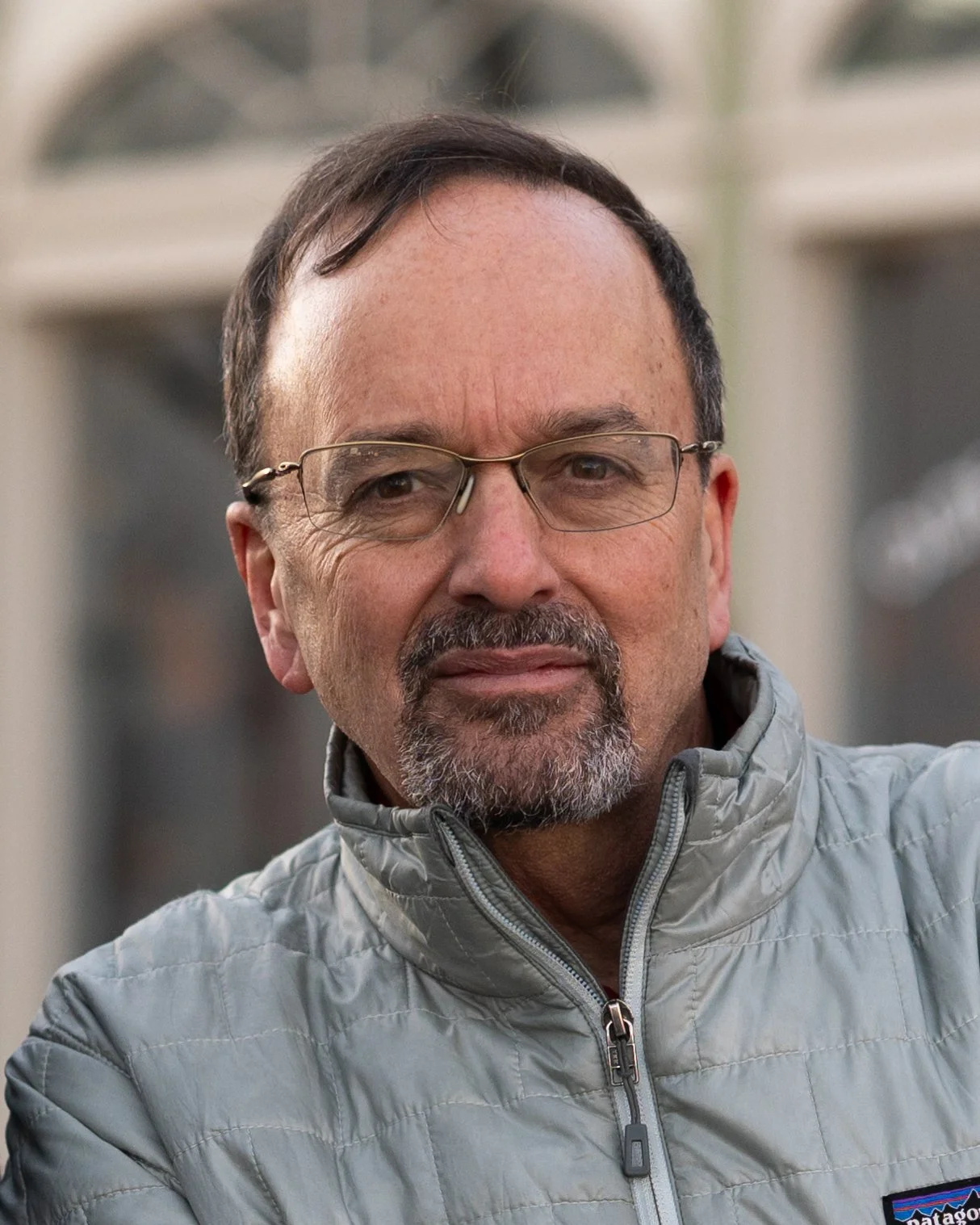
dan-o
I began my career as a car designer, and I still love cars. But over time I became more interested in a deeper question: what is the right vehicle for the right trip? Most daily travel is short, local, and predictable, yet we’ve built a transportation system around oversized five-seat highway vehicles that sit parked most of the time. That mismatch has become one of the great hidden design failures of modern life—costly to households, damaging to health, hard on communities, and deeply inefficient for the climate.
Back in 1988, I left my job at GM to pursue what many people saw as impossible: a small, enclosed electric vehicle designed specifically for short neighborhood trips. In 1995, our team introduced America’s first Neighborhood Electric Vehicle and helped NHTSA establish a new vehicle category: the Low-Speed Vehicle. That little vehicle proved something important: when you design around actual daily use instead of habit, entirely new forms of mobility become possible. The original idea is still alive today with my idea, now called the GEM car.
After early setbacks, including bankruptcy, I widened the lens. The real challenge was never just building a better small vehicle. It was understanding how smaller vehicles, safer local streets, better paths, and shared systems could work together to reduce the need for full-time car ownership—especially in the thin, spread-out cities where most Americans live.
That broader idea has guided my work ever since. For nearly three decades, including collaborations with ITS-Davis and many others, I’ve explored what I call a transportation mesh: a layered system of right-sized vehicles, neighborhood-scale routes, safer crossings, and connected mobility options that can move people more affordably, cleanly, and enjoyably. Instead of forcing every trip into the same machine and the same roads, we can design a mobility ecosystem that fits the real shape of daily life—from near to far.
That “near to far” idea is at the center of what I’m working on now. We have spent a century designing from the far end backward: prioritizing speed, distance, and large vehicles, then trying to make everyday life fit around them. I believe it’s time to reverse that logic. Start with the trips closest to home, the ones people make most often, and build outward from there. When we design first for the near trips—safe, simple, social, low-cost trips—we create healthier communities and a much more efficient transportation system overall.
This work has become even more urgent as autonomous technology begins to mature. For years, many people assumed autonomy would simply preserve the old model: more big cars, more distance, more dependence. I see a different opportunity. Autonomy, especially when paired with smaller, slower, right-sized vehicles and new kinds of local infrastructure, can finally unlock the shift I’ve been working toward for decades. Not just smarter cars, but a smarter mobility system.
I’ve also learned that innovation is never purely technical. It’s personal. I’m bipolar, which has brought both extraordinary creative energy and very hard periods in my life. That experience has shaped how I think about resilience, vision, and persistence. In 2025, I also underwent quadruple bypass surgery—another reminder that time matters, health matters, and the future we want will not build itself.
So where am I now? I’m working to help bring together the pieces of a more human mobility future: right-sized vehicles, autonomous systems, safer local networks, redesigned streets, and a public conversation that is finally ready to question car ownership culture itself. I believe the next transportation revolution will not come from making the old model slightly cleaner or more convenient. It will come from designing a system that gives people freedom with less weight, less cost, less danger, and less waste.
The last 40 years were not wheel-spinning. They were groundwork.
Now the conditions are finally changing. The climate crisis demands faster progress. New technologies are opening new doors. And more people are ready to imagine a future beyond oversized vehicles and automatic car dependence.
This is the time to move from vision to traction.
I’m Dan Sturges — a designer, inventor, and systems thinker focused on reimagining everyday mobility.

I’m available for consulting via my company, Mobilitee, LLC.
Click the logo to learn more.
Contact me
I look forward to hearing from you :)